The New Wave of Austrian Hybrid Gaming: When Bingo Meets Progressive Jackpots
Geschrieben von Theo Albrecht · 18.10.2026
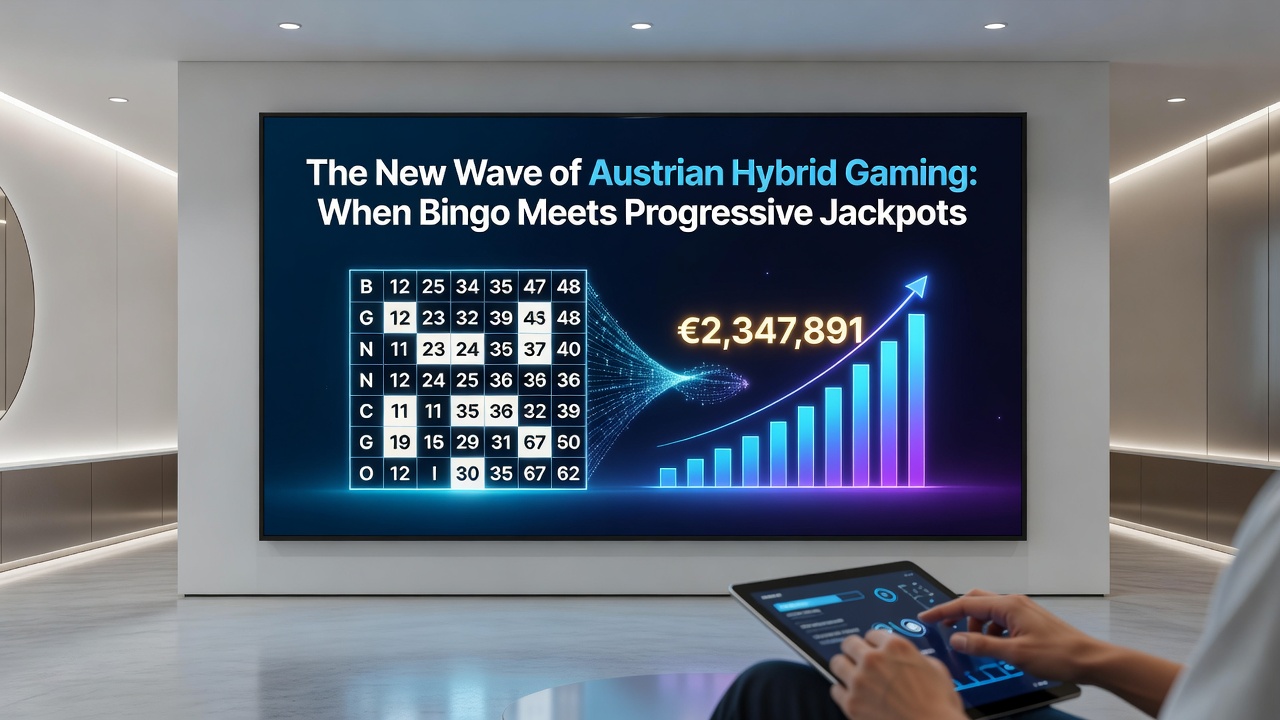
The New Wave of Austrian Hybrid Gaming: When Bingo Meets Progressive Jackpots
Hybrid gaming formats that blend traditional bingo mechanics with progressive jackpot systems have gained traction across Austria in recent years, driven by regulatory adjustments and technological integration in licensed venues. Austrian operators have adapted number-draw formats to incorporate escalating prize pools that accumulate across multiple sessions, creating layered reward structures where standard bingo wins coexist with shared jackpot opportunities. Data from the Austrian Federal Ministry of Finance shows steady increases in participation rates for these combined events, particularly in urban centers like Vienna and Graz where digital platforms facilitate real-time tracking of both bingo cards and jackpot meters.
Regulatory Framework Supporting Hybrid Models
Austrian gambling laws, updated through amendments effective in 2024 and carrying forward into 2026, permit operators to merge bingo-style draws with casino-derived progressive elements under strict licensing conditions. These rules require transparent randomization algorithms and independent audits to ensure fairness across both components. Observers note that the framework draws from broader European Union guidelines on online gaming, which emphasize consumer protection while allowing innovation in game design. By October 2026, several licensed platforms plan to expand these hybrid offerings with enhanced mobile compatibility, aligning with seasonal player patterns observed during autumn months when indoor entertainment demand rises.
Mechanics of Progressive Integration in Bingo Events
Progressive jackpots in these Austrian hybrids function by pooling a percentage of each wager into a communal pot that grows until triggered by specific bingo patterns or random qualifiers. Unlike standalone bingo games, the jackpot component activates through additional layers such as bonus rounds triggered after completing standard number sequences. Researchers at institutions like the University of Vienna's gaming studies group have documented how this structure maintains core bingo appeal while introducing elements familiar from slot mechanics, resulting in extended session times without altering base draw frequencies. Players select cards in the usual manner, yet the progressive meter updates continuously across connected terminals, building anticipation through visible increments displayed on venue screens.
Player Participation Trends and Data Insights
Statistics compiled by the Austrian Gaming Association indicate that hybrid events account for approximately 28 percent of total bingo-related activity in licensed establishments as of early 2026. Participation spikes occur during multi-week tournaments where progressive pools carry over, encouraging repeat visits. Canadian regulatory reports on similar hybrid systems in provincial markets provide comparative context, revealing parallel growth patterns when bingo operators incorporate jackpot ladders. Those who've analyzed Austrian market data point to higher engagement among demographics aged 35 to 55, where the combination of social draw elements and accumulating prizes sustains interest over longer periods.
Seasonal factors play a role as well. Autumn programming in 2026 includes themed events timed around national holidays, with jackpot contributions scaled to match increased foot traffic. Industry reports from the European Gaming and Betting Association highlight how these adaptations help operators differentiate offerings in a competitive landscape, using data analytics to adjust contribution rates and prize triggers based on observed player behavior.
Technological Infrastructure Enabling the Shift
Backend systems supporting these hybrids rely on interconnected servers that synchronize bingo randomization with jackpot accumulation engines. Licensed Austrian providers integrate certified random number generators for both draw types, ensuring compliance while allowing cross-game contributions to the progressive pool. What's notable is the use of real-time dashboards that display current jackpot levels alongside active bingo cards, a feature rolled out more widely since 2025. Observers tracking platform adoption report that mobile applications now handle over 40 percent of hybrid session starts, reflecting broader shifts toward accessible digital entry points without physical venue requirements.
Comparative Developments in Other Regions
Australian gaming research from the Queensland University of Technology has examined analogous bingo-jackpot fusions in state-regulated markets, noting similar regulatory pathways that balance traditional formats with progressive incentives. These studies provide benchmarks for Austria, where local implementations prioritize session-based caps on contributions to prevent excessive accumulation. Data indicates that such measured approaches correlate with sustained player retention across multiple events rather than isolated spikes. By drawing from these international examples, Austrian operators refine their models to fit domestic licensing standards while maintaining operational consistency.
Conclusion
The evolution of hybrid bingo formats incorporating progressive jackpots in Austria reflects ongoing adaptations within a regulated environment shaped by technological capabilities and market data. Continued developments through October 2026 and beyond will likely emphasize seamless integration across platforms, supported by transparent reporting from authorities and industry groups. This approach sustains engagement through combined mechanics that leverage established bingo structures alongside accumulating rewards, as evidenced by participation metrics and cross-regional comparisons.