Austrian Player Habits in Hybrid Events: How Number Draws Adapt Casino-Style Progressives and Tournament Ladders
Geschrieben von Anna Simmons · 20.9.2026
Austrian Player Habits in Hybrid Events: How Number Draws Adapt Casino-Style Progressives and Tournament Ladders
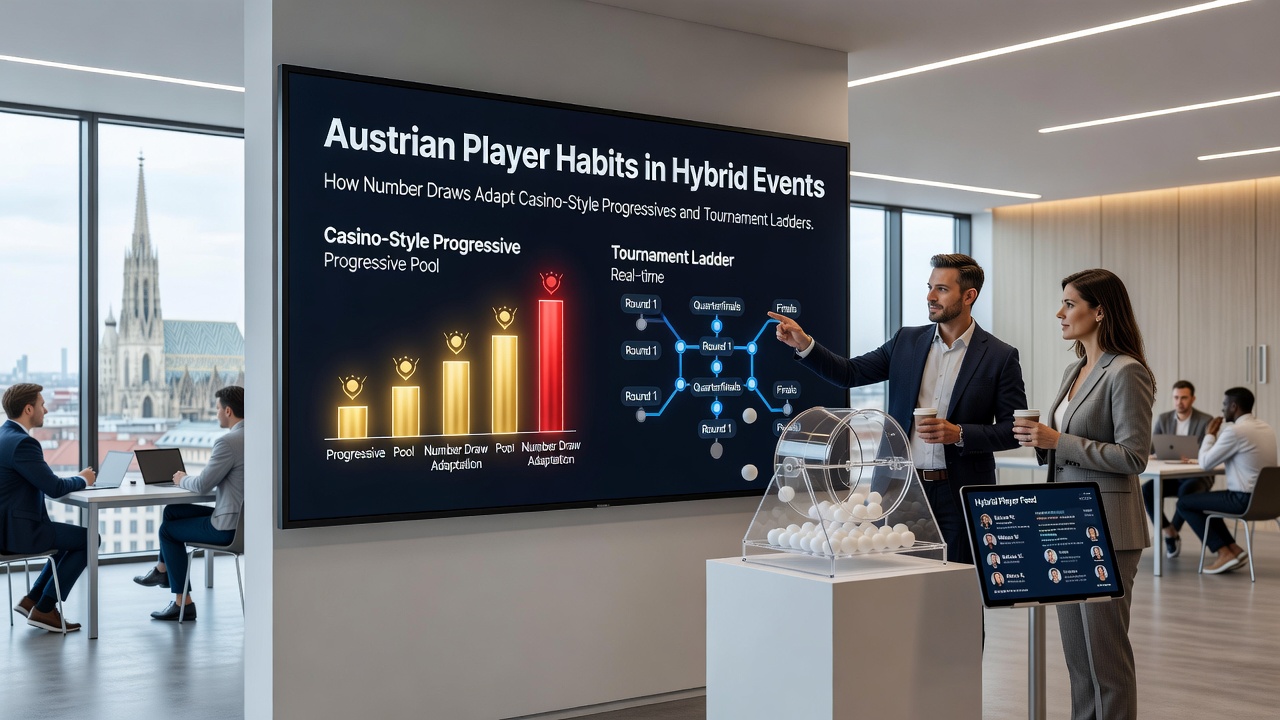
Hybrid events in Austria combine traditional number draws with elements from casino progressives and structured tournament ladders, creating formats where players track ball sequences while pursuing escalating prize pools. Data from regulatory filings shows these events have expanded since 2023, with operators integrating random number generators that trigger bonus multipliers similar to slot progressives. Observers note that Austrian participants often follow draw patterns across multiple rounds, adapting strategies that mirror both bingo grids and poker-style advancement systems.
Core Mechanics of Number Draw Integration
Number draws in these hybrid setups use sequences from 1 to 90 or 1 to 75, depending on the operator, and feed directly into progressive jackpot calculations. Each matched number contributes to a shared meter that grows until a qualifying combination appears, at which point the pool distributes according to preset ladder tiers. Studies from European gaming research groups indicate that this adaptation allows the same draw to serve dual purposes: completing a bingo card while advancing a player through tournament levels based on cumulative matches. Figures reveal that average session lengths in Austrian venues stretch longer when progressives remain active, as participants continue across multiple draws rather than exiting after a single card fills.
Player Patterns in Hybrid Tournament Structures
Participants in Austrian hybrid events tend to monitor both their personal draw grids and the collective progressive meter simultaneously. Research indicates that many players prioritize cards offering ladder advancement points over those with higher base payouts, shifting focus once the progressive threshold crosses documented benchmarks. Tournament ladders typically feature four to six stages, where early rounds emphasize volume of matches and later stages reward specific number combinations that align with casino-style bonus triggers. According to Canadian Gaming Association industry reports, similar hybrid models in other markets show participation spikes when ladders reset at the start of each calendar month, a pattern replicated in Austrian venues.
Draw frequency plays a central role. Events scheduled with draws every three to five minutes allow continuous ladder movement, while slower intervals of eight to ten minutes encourage side betting on progressive growth. Data shows that Austrian players often cluster around terminals offering real-time meter displays, adjusting card selections based on the current jackpot size relative to the number of active participants.
Adaptation of Casino-Style Progressives
Casino progressives rely on percentage contributions from each wager feeding a growing pool, and hybrid events apply the same logic to number draw outcomes. When a draw produces a rare sequence such as consecutive numbers or a full row match, the system allocates a percentage of the pool to qualifying players while carrying forward the remainder. This structure maintains the progressive element without requiring separate slot machines. Evidence from academic analyses suggests that the adaptation preserves the psychological draw of accumulating jackpots while anchoring participation in the social aspect of shared number calls. Operators in Austria have adjusted seed amounts and contribution rates to match local regulatory caps, resulting in pools that typically range from several thousand to low six figures before hitting.
Tournament Ladders and Draw-Based Advancement
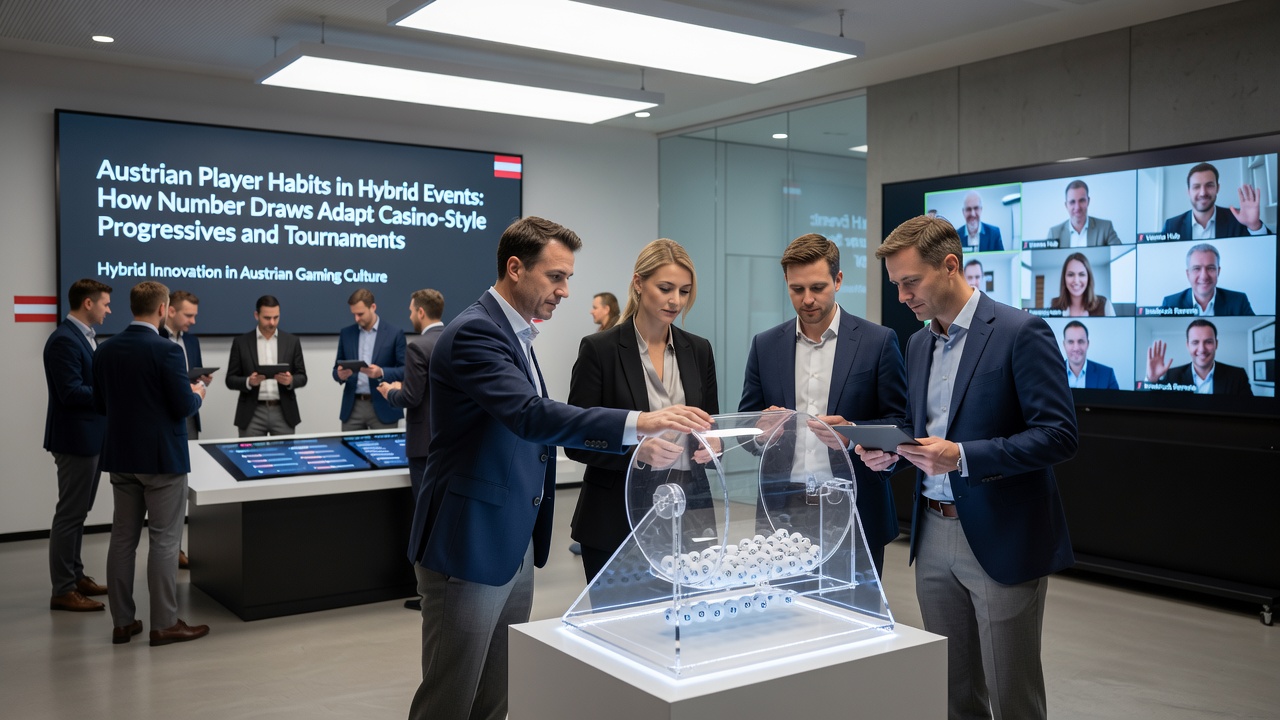
Ladder systems in these events award points or advancement tokens based on draw results rather than head-to-head competition. Players accumulate credits through exact matches, bonus ball hits, or pattern completions that align with progressive triggers. Advancement requires reaching cumulative thresholds, after which players enter higher-stakes rounds with elevated contribution rates to the main pool. Research from university gaming programs shows that this format reduces variance compared to pure elimination tournaments because every draw offers incremental progress regardless of other participants' results. Austrian venues have implemented visible leaderboards that update after each draw, allowing real-time tracking of position relative to ladder cutoffs.
September 2026 marks the scheduled rollout of updated licensing requirements that will standardize ladder reset intervals across licensed operators. These changes aim to align contribution percentages more closely with progressive pool mechanics already used in other European jurisdictions. Preliminary filings indicate that operators are testing adjusted draw algorithms to ensure ladder advancement remains achievable within average session durations observed in current data sets.
Observed Behavioral Trends Across Venues
Tracking data collected at multiple Austrian locations reveals consistent habits: players frequently switch between multiple cards during a single draw cycle when the progressive meter exceeds a visible threshold, and they often extend sessions when positioned near ladder advancement. Those who reach higher tournament stages tend to increase wager sizes per draw, mirroring patterns seen in casino progressive play. External analyses, including work referenced by Australian Institute of Criminology gambling studies, confirm that hybrid formats combining draws with ladders sustain engagement longer than standalone bingo or slot sessions in comparable markets.
Conclusion
Hybrid events in Austria continue to evolve through the integration of number draw mechanics with progressive pools and tournament ladders. Available data and regulatory filings document steady adaptation of these systems, with player behavior reflecting the dual incentives of incremental ladder movement and collective jackpot growth. Upcoming adjustments scheduled for September 2026 are expected to further standardize these formats while maintaining the core structure that links individual draw outcomes to both personal advancement and shared prize escalation.